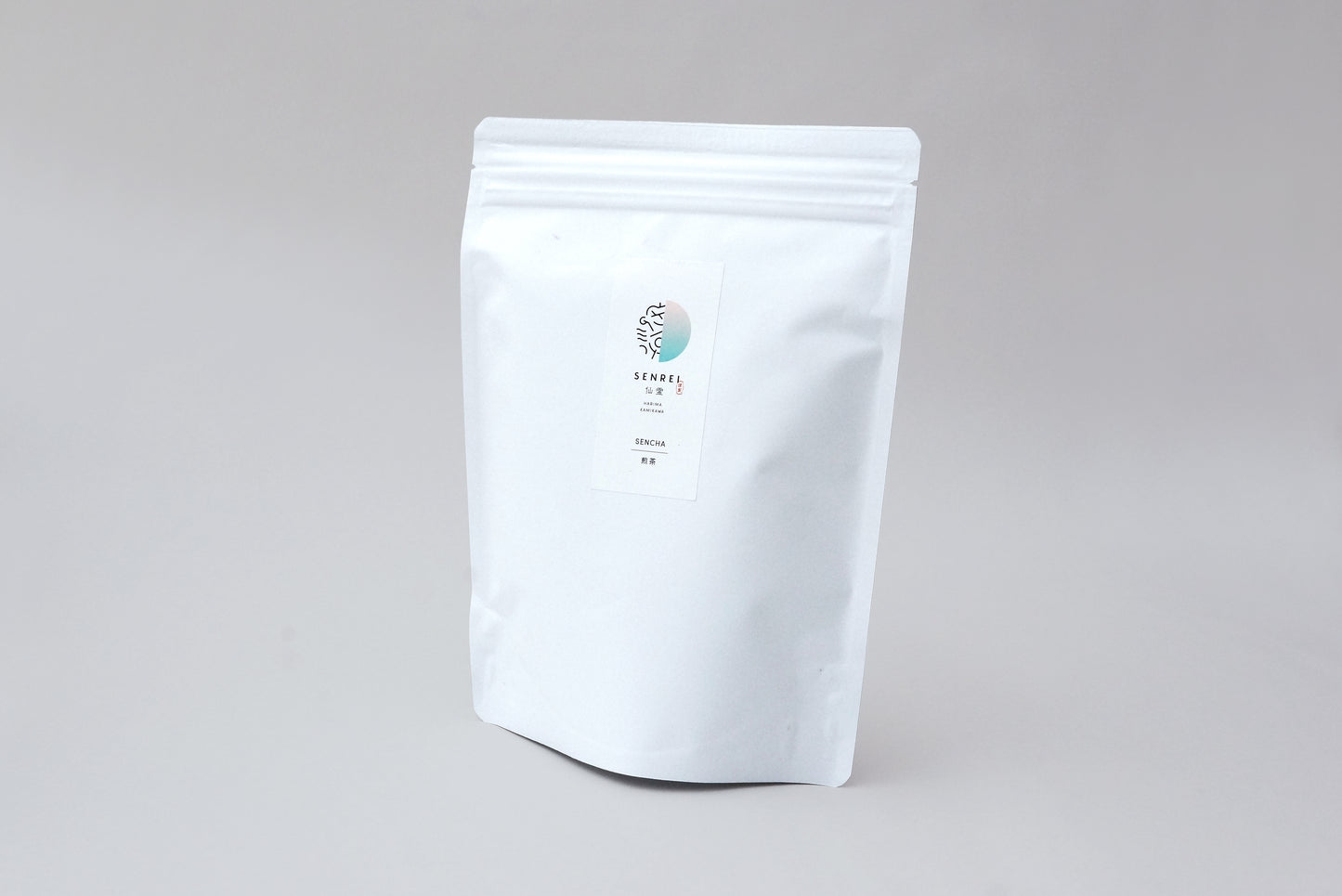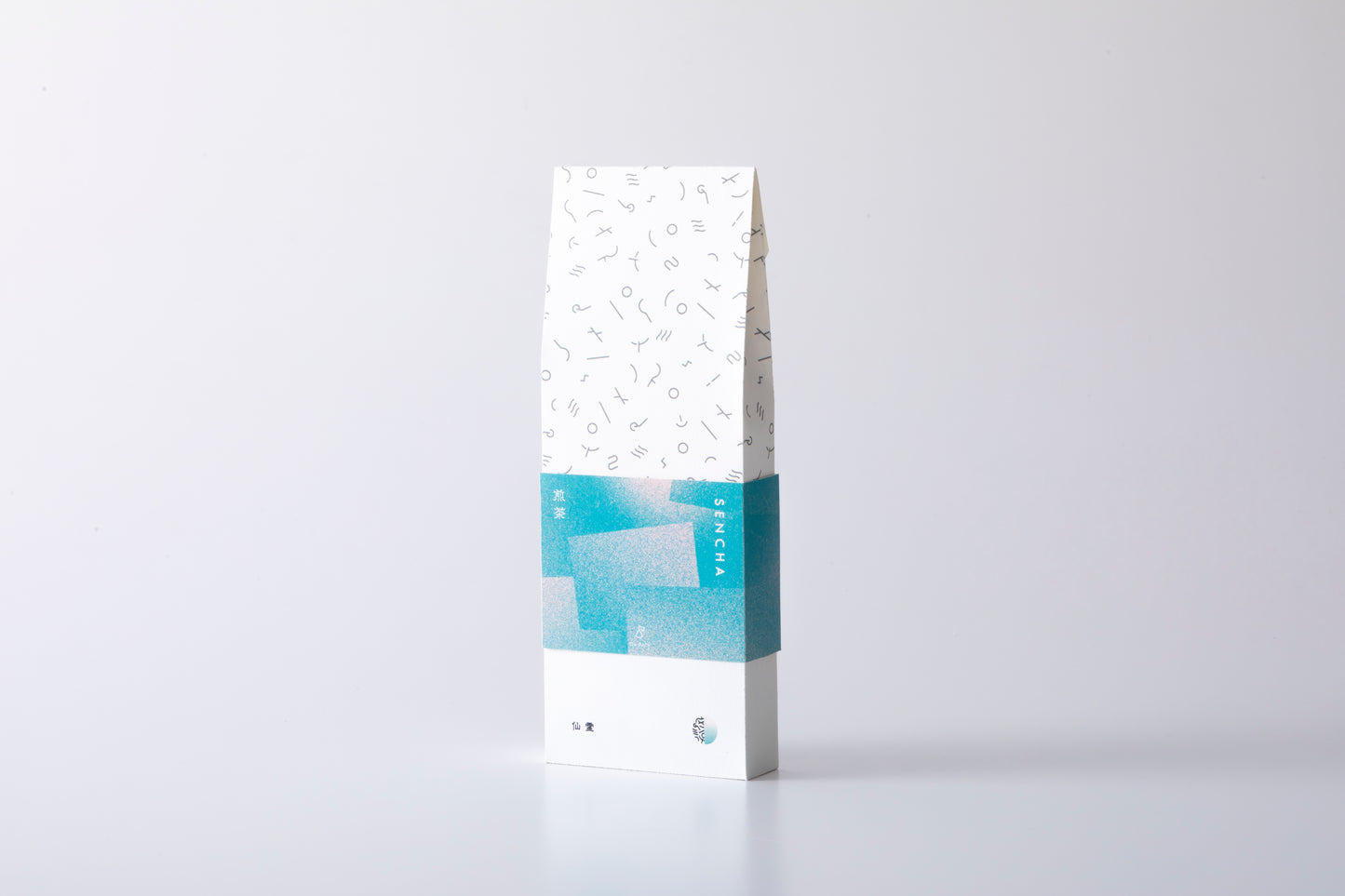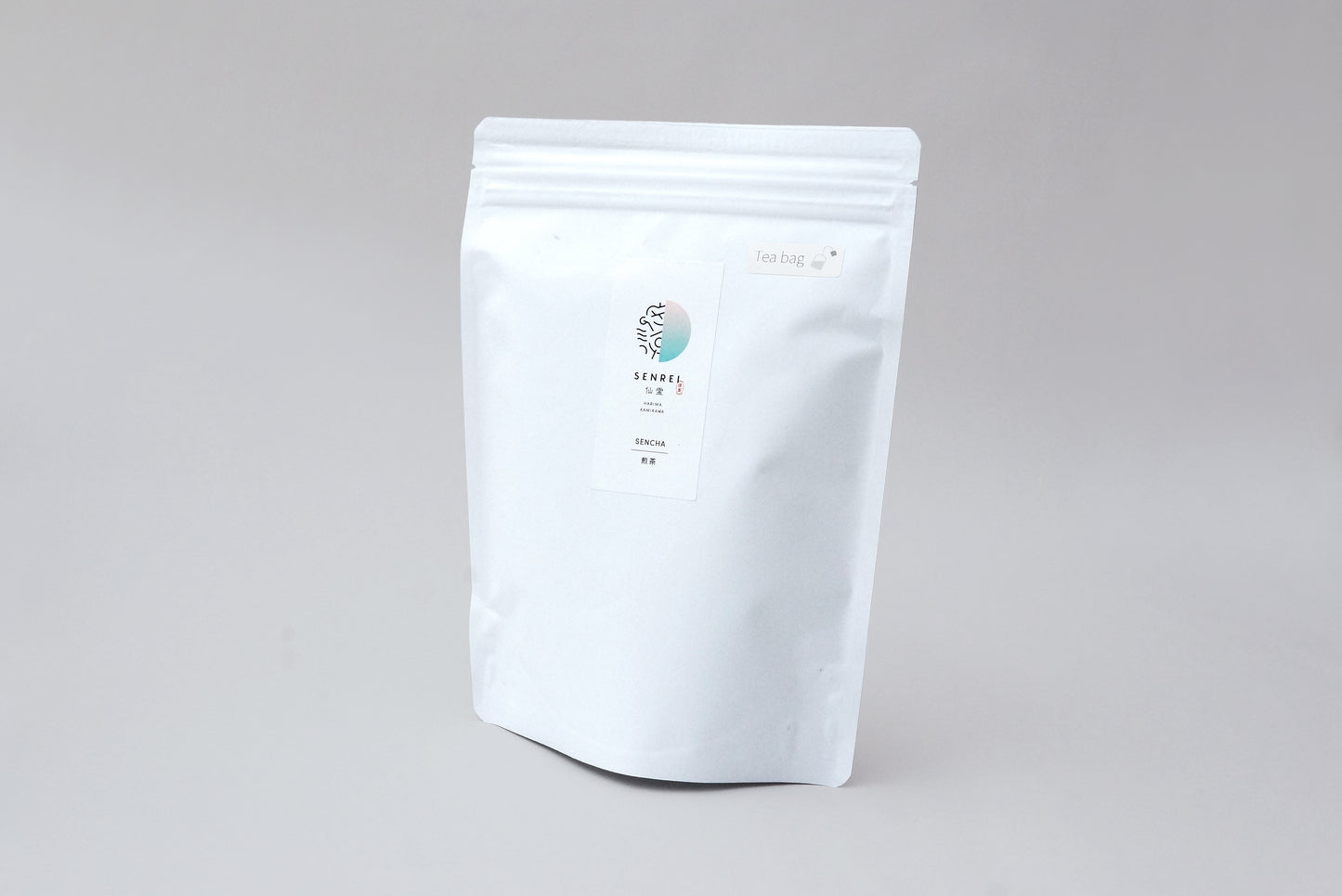


Sencha
Sencha
When we talk about "tea" in Japan, the first thing that comes to mind is "sencha."
You may be wondering what the difference is between "sencha" and "ryokucha."
Nomura still thinks the same way. Tea-related language is somehow complicated.
In particular, "sencha" means "to boil"
Nowadays, Japanese tea is not boiled so much, so I have a lot of questions.
Let's not get too complicated here, it would take 30 minutes to explain.
In China, tea is divided into six colors.
Green tea, black tea, blue tea, white tea, yellow tea, and dark tea.
Most Japanese tea is green tea, and most of it is made by steaming.
In China, green tea is pan-fried, and in Japan, there are areas in Kyushu where pan-fried tea is popular.
Senrei green tea is fertilizer-free.
You probably won't really get the typical "umami flavor like kelp stock" or "sweetness as if it contains sugar."
It's more of a fragrant tea.
It goes well with meals, and cold brew tea can be gulped down while playing sports.
It takes more than three brews, so you can enjoy it while working or reading a book.
Brew it in a teapot several times and drink it.
We were talking about "sencha" and "ryokucha" but before we knew it, the conversation had switched to "sencha" and "ryokucha."
Well, Senreicha's "green tea" would be fine, but for some reason it's called "sencha."
I might change it someday. (But once you decide on a product name, it's a pain to change it...)
We also offer monthly subscriptions for our economical products!
Couldn't load pickup availability
Share